Self-care, Necessity or Luxury?
In today’s society schedules and activities have become more demanding on parents. From social activities, work, school-related meetings, and more adults have several excuses for not having enough time or energy to focus upon self-care. But is self-care really important and if so how can self-care be implemented into the day to day routine without overwhelming the parent?
What is self-care?
There is a misconception that self-care is something substantial and unobtainable. Yet, this is not the case. Self-care is any activity that focuses on a person’s well-being, whether that is emotional or physical. As such, the activities which focus on self-care are also those which focus on self-awareness. The more that you are aware of yourself, your emotions, and your physical well-being, the keener you will be to finding activities that address such issues.
Does Self Care matter
As adults, it is common for us to assume that we have everything under control, even if we do not. Self-care can sometimes take the back seat to our kids and other’s needs. Yet, this is detrimental. It is like putting pressure on a balloon. While the balloon may flex and warp to the pressure being added to it for a time, eventually the pressure will cause the balloon to pop. Avoiding self-care is not a minor thing, eventually, something will have to give.
Considering self-care, we can break it into two parts. The first is what we see physically. Note that I said what we see, not what other people see or how we want others to see us. Secondly is how we feel about how we view ourselves and things in our life. In short, self-care demands a focus on the physical and the emotional.
Physical Self Care
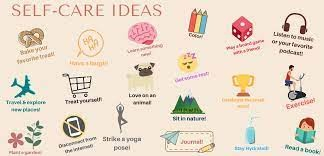
Physical self-care is the foundation for having the best life possible. Self-care includes the physical activities that promote the best state of physical well-being for the parent. This can be a bath or shower, brushing one’s teeth, taking a walk, eating a healthy meal, or performing activities that reduce stress such as sleeping, watching a movie, or going to the park. It could even be something as simple as taking a break to drink a cup of water. If the activity lowers stress, increases physical well-being, and causes the body to be in a healthier state, it is physical self-care.
Emotional Self Care
Coupled with physical self-care is emotional self-care. Studies have shown that many adults will experience a form of depression and that nearly 10% of all adults will suffer from an emotionally based mental illness in their lifetime. This is not saying that all of these adults will be affected permanently, but that they will go through a time of emotional distress. Emotional self-care helps to prevent such things from happening. While physical self-care focuses on the external body (as well as the internal physical body parts), emotional self-care focuses on the why and how of an adult.
The Why Questions
The Why of an adult is a complicated concept. However, we can break it down as being the answers that most of us have. Why is today important? Why do I think that this or that is paramount to a successful day? Why am I here? Why should I do this? Why do I care what this person thinks? These are just a few of the questions of why. But it is not just focusing on the questions to have better emotional self-care. Once we have the answers or focus on the questions, self-care means that you look for the answer or at least attempt to answer the question.
The How Questions and How they help self-care
Both the physical and the emotional question of HOW is the pivotal point on which self-care hangs. Consider the how as being the instruction manual or the detailed drawing of a car. While you may understand the basics of how a car runs, the instructions and the detailed drawing of the vehicle may give a deeper insight and understanding, and thereby allow for better care of the car. Additionally, if you have trained yourself on viewing the details (such as a mechanic in our example) you start to understand the signs to look for when things seem a bit off.
How to focus on emotional self-care
Emotional self-care means taking the time to focus on what makes you happy, relaxed, and puts you into the best state of your ideal self. This could be singing a song, taking a time out for yourself, talking to someone else about your troubles, knowing when to say ‘no’ to a request (and additionally knowing when to say yes), focusing on being content, and trying your best to let go of things which you cannot control.
There are times when emotional issues may become too much for an individual to handle alone. If you feel suicidal, too depressed, or that you cannot handle emotional self-care alone, seek professional help.
A better you makes for a better life
When self-care is at the forefront of your life, your life becomes better. Because you are focusing on what makes you happy and healthy, you are not as stressed and do not pass the stresses that you feel onto your children, co-workers, friends, or family. When you focus on your physical self-care, you will find yourself in better health, rejuvenated, and relaxed.
Not everyone’s method of self-care is the same. As we all have different personalities and needs, our self-care will differ from each other. Again, having a self-awareness of your strengths and weaknesses as well as your hopes and dreams can help you develop a plan of self-care, driving you toward a better and more fulfilled life.
If you truly aspire to be a good parent, your first step is to strive to build a solid sense of self-awareness and this is one of the many aspects of great parenting that I detail in From Crazy to Calm; The Empowered Parent Program. This course is for you if you want to maintain this practice every single day with some self-reflection and inspection of your thoughts and actions.
Meet Your Trainer
I am Arlette, I am the Founding Director at Parent Tree; I am also a psychologist, parent coach and a mother of two with experience helping parents and children build their interactions successfully and to receive more of my tried-and-tested parenting tips, feel free to subscribe to my newsletter: https://arletteshohmelian.podia.com/blog and follow me on on Facebook, LinkedIn, Instagram, YouTube
E-mail: arlette@parentttree.com
Book a session: https://arletteshohmelian.podia.com/book-session
Website: https://arletteshohmelian.podia.com